Caledonia County Septic Permits: What Home Sellers Should Know
September 17, 2026
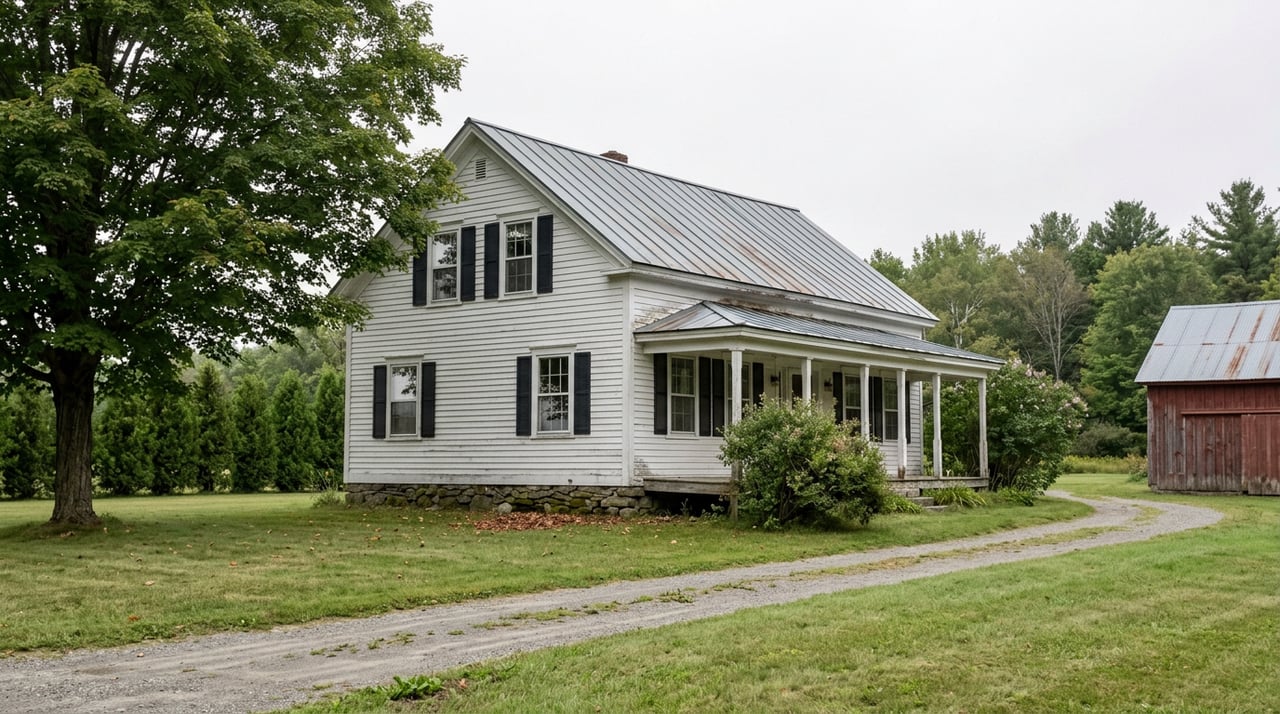
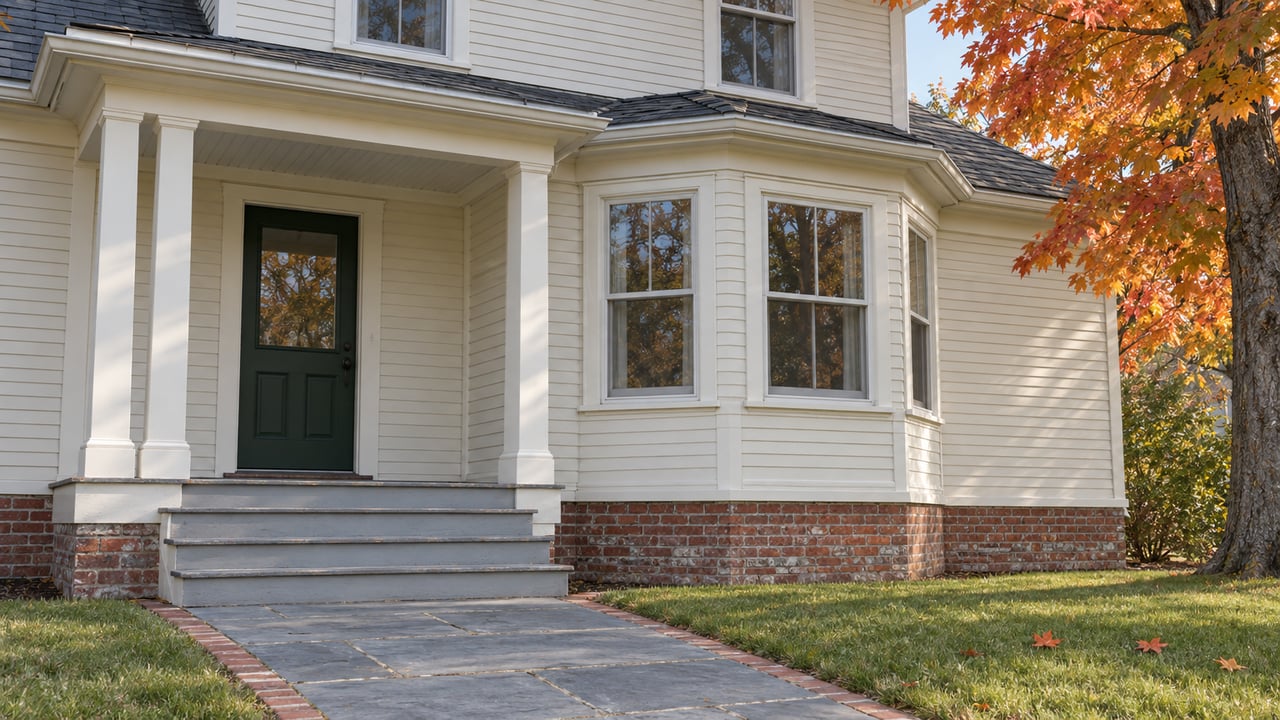
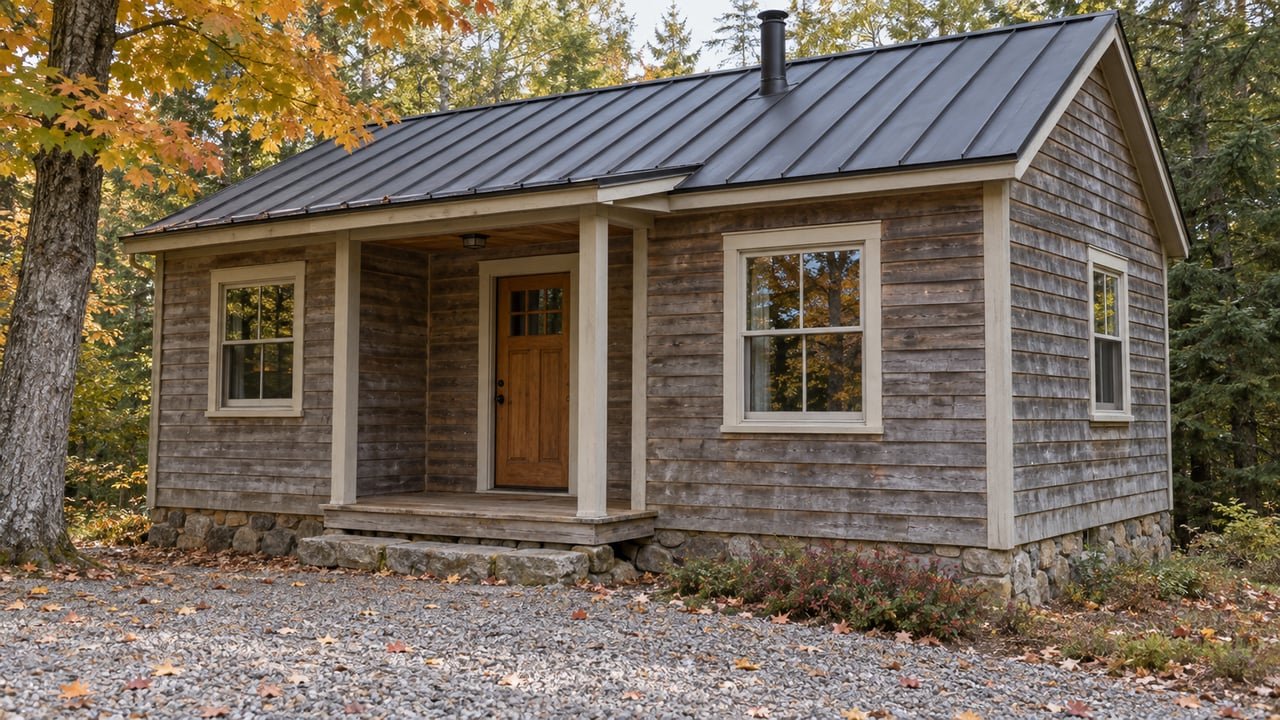
Picture two farmhouses within a few miles of each other, maybe one outside Danville and one outside Walden. Both went up before 1970. Both sit on private wells and on-site septic systems that predate anything resembling a modern permit. Neither seller has ever heard of a wastewater permit number, because neither system has one. On paper, at closing table conversation, they sound identical.
Only one of them is going to close without a hitch.
The difference has nothing to do with the age of the pipes or the condition of the leach field. It has to do with what happened to each house after January 1, 2007. That date, more than the system's age or apparent condition, is the line Vermont actually draws under the state's Clean Slate exemption. Most sellers in Caledonia County's older housing stock don't know it exists until an attorney brings it up during a title search, and by then it can cost real time.
Vermont didn't require statewide permits for wells and septic systems until 2007. Before that, plenty of Northeast Kingdom homes, especially farmhouses converted from working farms or camps expanded into year-round residences, were built and plumbed with no state paperwork at all. That was simply how it was done.
When Vermont adopted universal jurisdiction over wastewater and water supply permitting in 2007, the legislature knew it couldn't retroactively demand permits for every septic system already in the ground. So it built in what the state itself calls a "Clean Slate" exemption: any building, wastewater system, or water supply already in existence before January 1, 2007 is grandfathered. No permit required for what was already there.
That's genuinely good news for a lot of Caledonia County's older housing stock. It means an unpermitted well and septic system on a farmhouse built in 1958 isn't automatically a problem. It's protected, as long as nothing changes.
That last clause is where the two farmhouses split. The Clean Slate exemption isn't a blanket pass. It's conditional, and the conditions are specific:
Go back to the two farmhouses. The one outside Walden has had the same three bedrooms and the same footprint since 1962. Nobody touched the septic system, nobody added a bathroom, nobody converted anything. It's still sitting quietly inside the Clean Slate exemption.
The one outside Danville looks almost the same from the road, but the family finished a fourth bedroom over the old woodshed back in 2016 for a home office that eventually became a bedroom again. Nobody thought to mention it to the state, because nobody thought of it as construction that mattered. But that one bedroom is enough to pull the whole system out from under its grandfathered status.
A buyer walking through either farmhouse would never spot the difference. The septic tank is buried, the well is capped, and both houses show the same age and the same charm. The gap only becomes visible when an attorney runs a title search and checks the state's wastewater permit search database for a permit number that doesn't exist, and then has to figure out whether that absence is expected or a problem.
If the absence is expected, because nothing has changed since before 2007, that's a five-minute conversation. If the absence is a problem, because a bedroom was added or the system failed and got a quiet patch job instead of a proper repair permit, the state's own guidance is blunt about the consequences: an unpermitted system that needed one "may find that there is a cloud on title for their property that may delay or prevent future sale." That's not a hypothetical. It's language straight from the state's own guidance for landowners.
This is exactly the kind of friction that catches people off guard in rural Vermont sales, because everyone involved, buyer and seller alike, tends to assume "old house, old system" means the same thing everywhere. It doesn't. It means something different depending entirely on what happened to the building after one specific date.
There's a second, smaller disclosure requirement that travels alongside all of this and catches people just as often. Since 2013, 27 V.S.A. § 616 has required any seller of a property with a private water supply not served by a public water system to hand the buyer a specific informational packet, developed by the Vermont Department of Health, within 72 hours of executing the purchase contract. It covers the potential health effects of contaminated groundwater and where to get a private well test kit. It's a narrow requirement, but missing that 72-hour window is an easy, avoidable stumble in a transaction that otherwise has nothing wrong with it.
According to Deppman Law PLC's guide to Vermont's disclosure requirements, Vermont doesn't require a single statewide seller disclosure form. It's closer to a buyer-beware framework, with sellers on the hook mainly for not misrepresenting or concealing known defects. In practice, though, most sellers working with an agent fill out the Vermont Association of REALTORS' Seller's Property Information Report anyway, and that form asks pointed questions: the date the septic system was installed, whether it's been repaired since the seller owned the property, when it was last pumped and by whom, and whether the system sits entirely within the property's own boundaries.
That last question matters more in Caledonia County than it might elsewhere. A lot of rural parcels here were carved out of larger family farms over the decades, and it's not unusual for a well or leach field to sit closer to a property line, or technically across it, than anyone realized until a survey gets pulled during due diligence.
Before listing an older home on private well and septic, it's worth having on hand:
For buyers, the useful habit is asking a different question than "is there a permit on file." Ask instead what's changed about the house since 2007. A quiet bedroom conversion or an informally patched septic failure is a much bigger flag than an old system that has simply never been touched.
Neither farmhouse is more or less charming for what's underground. Neither buyer is taking on more risk just because the house is older. The variable that decides whether a Caledonia County sale moves cleanly or gets stuck at the title search is whether anything happened to that building after a date most people have never heard of. Knowing to ask about that date, rather than about the age of the pipes, is the difference between a straightforward closing and a delayed one.
Does a Clean Slate exemption ever expire on its own, just from time passing? No. As long as nothing triggers it, the exemption holds indefinitely. It's tied to changes to the building or system, not to age.
If a system already failed years ago and was fixed without a permit, is it too late to fix the paperwork? It is worth asking about the paperwork before listing rather than discovering the issue during a buyer's financing deadline.
Does this apply to municipal water and sewer, or only private systems? The Clean Slate exemption and the permit requirements it modifies apply to private wells and on-site wastewater systems, not to homes connected to public water or municipal sewer.
If you're weighing a listing on an older Caledonia County property, or looking at one as a buyer and wondering what questions to ask before you write an offer, I'm glad to walk through what to check first. MyKayla Tanguay has spent years learning exactly where these Northern Vermont transactions tend to snag, and would rather catch it with you now than have it surface the week you're supposed to close. Let's Connect.
This article is general information, not legal, tax or financial advice. Consult a qualified professional about your situation.
Stay up to date on the latest real estate trends.




If you’re looking for a real estate partner who combines local knowledge, polished marketing, and personal attention, MyKayla offers a full-service experience designed around your goals. She works with luxury buyers and sellers, waterfront property owners, land clients, commercial prospects, and investors who want a resource they can rely on from the first conversation to closing.