Buying a Camp in Essex County, Vermont: Financing Essentials
October 1, 2026
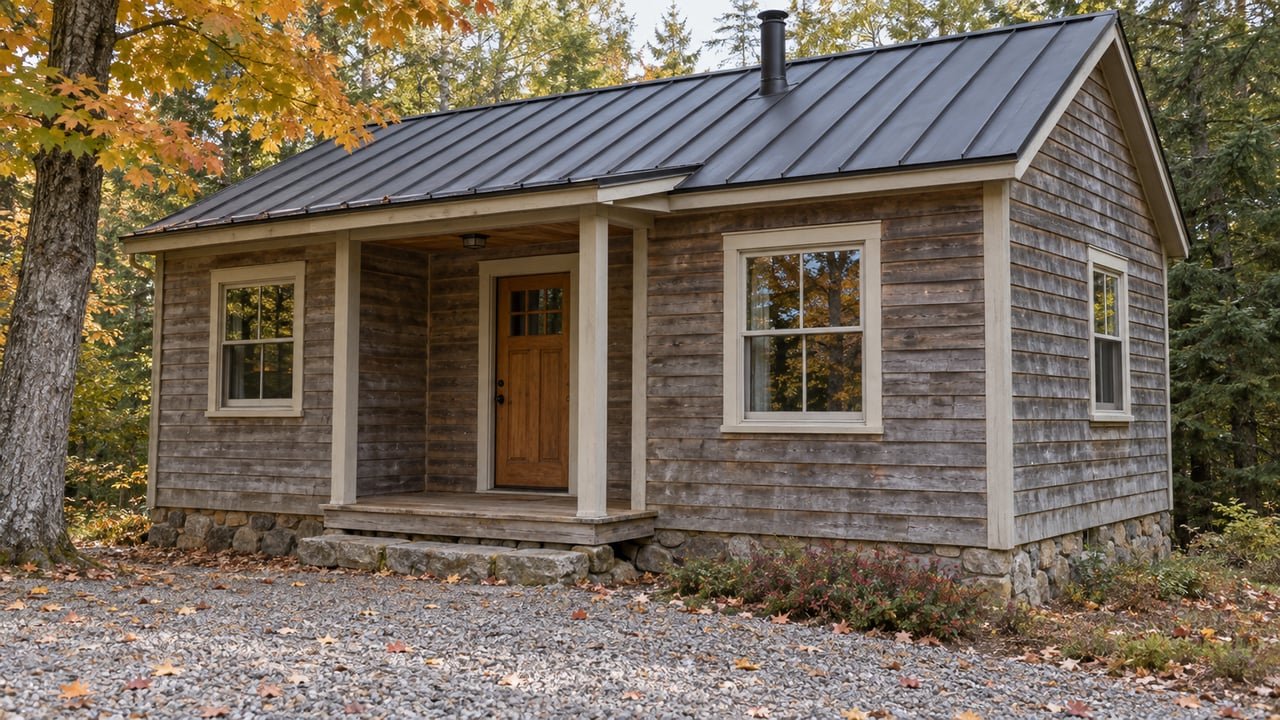
A camp off Hall Road in Lunenburg turns up in listings the way a lot of Essex County camps do: solar panels on the roof, a wood stove in the main room, a driveway that leads into a stretch of timberland where a snowmobile corridor runs close enough to reach without loading a trailer. The listing calls the access road a Class 4 town road. That single line, more than the acreage or the view, is often what determines which mortgage the buyer can actually get.
Most people shopping for a cabin or off-grid parcel here focus on the property itself: the well, the septic, the roof, the number of bedrooms. Those matter. But in Essex County, two details that rarely make the listing photos, the road's town classification and the heat system's backup status, are what federal loan programs use to decide whether a property qualifies for standard financing at all. Get those two answers before you write an offer, and the rest of the process moves the way you expect it to. Skip them, and you can end up with a signed purchase and sale agreement and no lender willing to close it.
Vermont towns classify their roads by who maintains them and how. Under 19 V.S.A. § 310, a Class 4 road is a legal town road that the town is not obligated to maintain year-round, which in practice often means no winter plowing at all. Listings across Essex County, from a wooded parcel in Concord accessed by a Class 4 road to a Lunenburg tract off Hall Road described as bordering "well-maintained camps" that double as an ATV and snowmobile route, treat this as a selling point. For someone buying a seasonal retreat, it often is. Fewer plowed roads mean fewer neighbors, more privacy, and direct access to VAST and VASA trail corridors that snowmobile and ATV riders use all winter.
For a lender, the same fact reads differently. According to NewDay USA, the property needs adequate heating, a safe water supply, proper sewage disposal, and safe access via roads or streets, alongside structural soundness. A road the town doesn't maintain in winter is exactly the kind of access question an underwriter is trained to flag, regardless of how good the house itself looks.
This doesn't mean a Class 4 road automatically kills a loan. It means the property moves into a different underwriting conversation, one where the lender wants specifics: is the road passable by a standard vehicle in mud season, is there a recorded right-of-way, has anyone lived there year-round. Buyers who show up to that conversation with answers already in hand move faster than buyers who assumed the road classification was just local trivia.
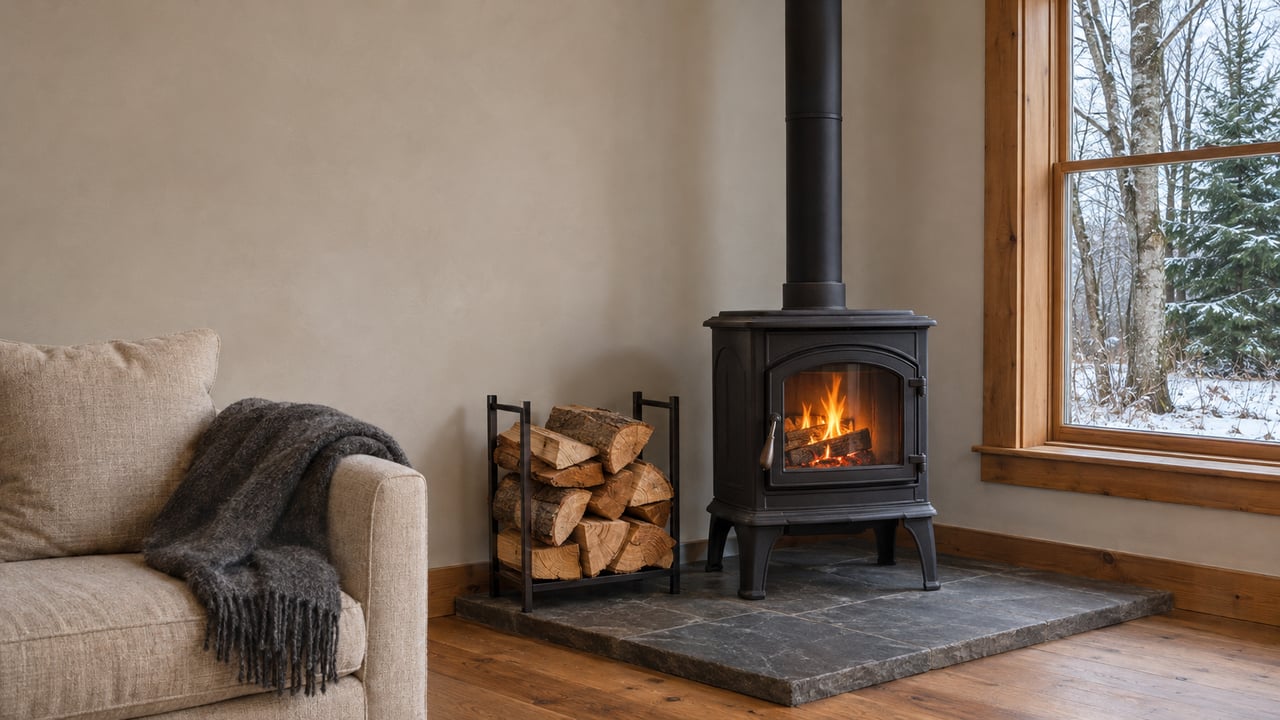
The other detail that trips up financing on Essex County camps is the heat system, and it's tied directly to why these properties appeal to buyers in the first place. Off-grid solar paired with a wood stove is a common setup on camps in this part of the county, and it's part of the draw for people who want a property that runs independent of the grid.
FHA rules require a permanently installed backup heating system capable of maintaining at least 50 degrees Fahrenheit in any area with plumbing whenever the primary heat source is solar or a wood-burning stove. That backup system has to be permanently installed, safe to operate, and able to run without anyone tending it. A wood stove alone, no matter how well it heats the main room, does not satisfy that requirement on its own. VA appraisals apply a similar standard, checking that heating systems are functional and adequate for the size of the home, with Chase listing inadequate heating among common issues that can prevent a property from meeting minimum property requirements.
The practical effect is that a camp marketed around its off-grid character can need a documented backup heat source, like a properly installed propane or electric system, before it will qualify for FHA or VA financing. That's a fixable problem if you know about it before closing. It's a much harder one to solve during a 30-day contingency period.
Once a property has a Class 4 access road, no winter maintenance, or a heat system that doesn't meet FHA or VA standards, it usually isn't disqualified from financing altogether. It moves into a different lending category, generally described as a seasonal or camp loan, built specifically for properties that aren't suitable for year-round occupancy because of exactly these issues: unmaintained winter roads, minimal square footage, or non-standard heating and water systems.
These products work differently than a standard mortgage. Programs built for this category typically set a minimum square footage before they'll even consider a property, they're structured around owner-occupied or second-home use rather than a primary residence, and they usually exclude manufactured homes, condos, and multi-unit buildings from eligibility. Some require the borrower to already hold a primary residence elsewhere if the camp is being financed as a second home. None of that makes an Essex County camp unfinanceable. It changes the documentation a buyer needs at closing and the type of lender worth calling first.
That last part matters more in Essex County than it does almost anywhere else in the state. A national online lender underwriting from a spreadsheet has no context for what a Class 4 road means on the ground, or why a camp with a drilled well and a backup propane furnace is a completely normal, financeable property here. A local bank does.
Vermont's community banks have a real presence in exactly the towns where these camps sit. Community National Bank, headquartered in Derby, has operated since 1851 and keeps a branch in Island Pond itself, with additional offices across the wider Northeast Kingdom in Newport, Barton, Lyndonville, and St. Johnsbury. Local banks in this region, including Community National Bank and Passumpsic Savings Bank, are also known for weighing a borrower's character and local standing alongside the credit file, rather than running every application through the same national checklist that would flag a Class 4 road as an automatic problem.
That local familiarity doesn't mean the underwriting rules bend. FHA and VA requirements are federal, not regional. It means the person reading your file has seen a hundred applications for camps just like the one you're buying and knows which questions to ask before the loan stalls, instead of discovering the road classification issue three weeks into escrow.
A few questions, asked before an offer goes in rather than after, save most of the friction:
None of these questions should scare a buyer off a camp in Concord, Lunenburg, Guildhall, Bloomfield, or Island Pond. They should just move up the timeline, from something a lender discovers during underwriting to something a buyer already knows walking into the first conversation.
Does a Class 4 road automatically disqualify a property from VA or FHA financing? Not automatically. It raises an access question that the lender has to resolve, which can mean documentation of a maintenance agreement or a shift to a different loan product entirely.
Can solar power alone meet FHA heating requirements? No. FHA treats solar the same way it treats a wood stove: as a primary heat source that needs a permanently installed backup system capable of holding at least 50 degrees in plumbed areas.
Is a seasonal or camp loan a worse option than a conventional mortgage? It's a different tool for a different property. The down payment is higher, but it exists precisely so that camps with unmaintained winter roads or non-standard heat systems have a financing path at all.
If you're looking at a camp or off-grid parcel anywhere in Essex County and want to know what its road classification and heat setup actually mean for your financing options before you write an offer, MyKayla Tanguay can walk through it with you.
This article is general information, not legal, tax or financial advice. Consult a qualified professional about your situation.
Stay up to date on the latest real estate trends.

If you’re looking for a real estate partner who combines local knowledge, polished marketing, and personal attention, MyKayla offers a full-service experience designed around your goals. She works with luxury buyers and sellers, waterfront property owners, land clients, commercial prospects, and investors who want a resource they can rely on from the first conversation to closing.